
How to Protect Your Investment When Building or Renovating a Home
Five decisions that prevent costly corrections and protect the long-term value of your home.
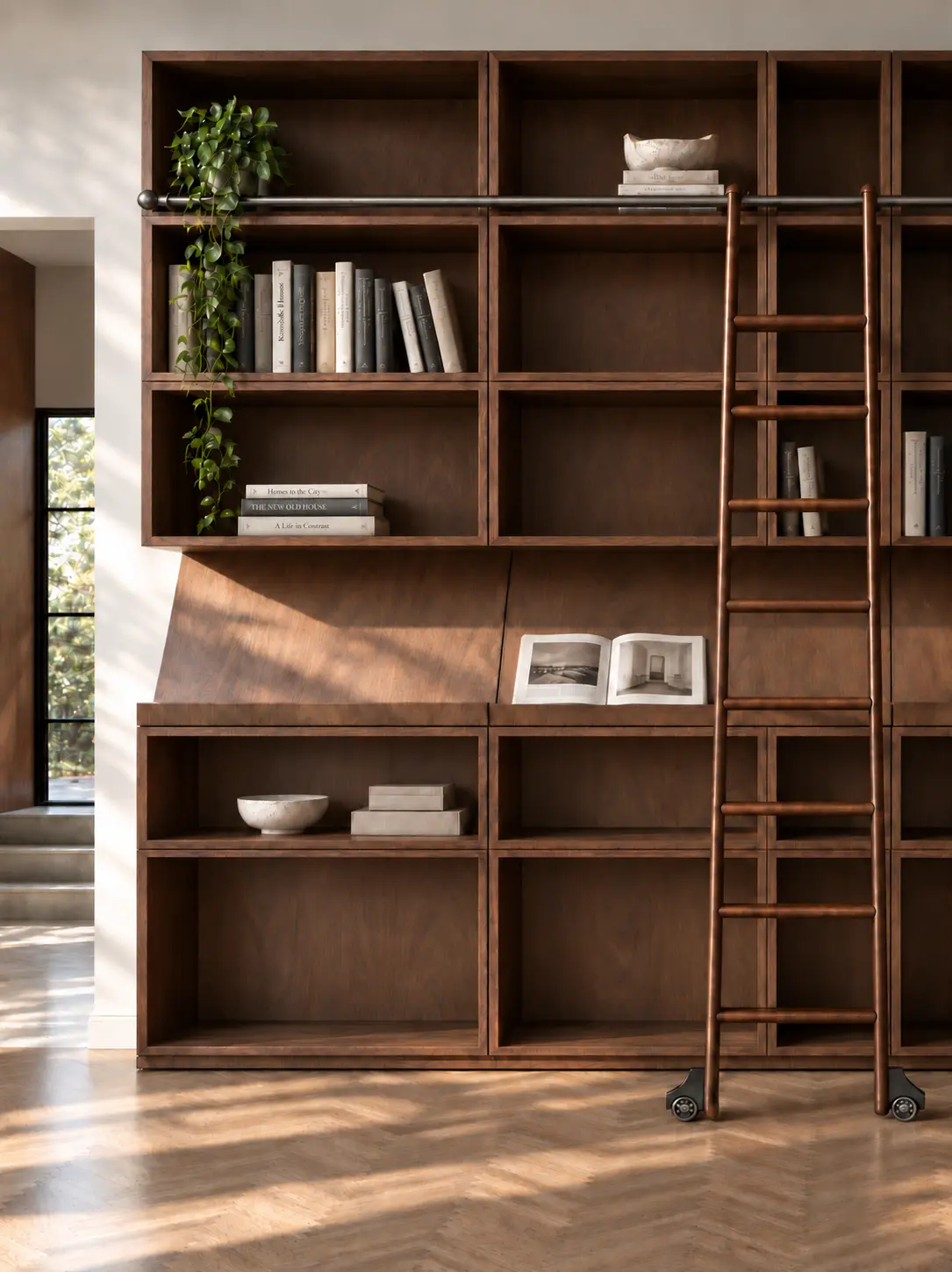
Spending more does not guarantee a better result.
In a high-end residential project, protecting your investment means knowing which decisions deserve attention, which compromises will be expensive to undo, and what needs to be resolved before construction moves forward.
A generous budget can accommodate exceptional materials and furnishings. It cannot compensate for a rigid layout, poor workmanship, or lighting that fails the space.
These five decisions shape how well a home works, how it ages, and how much will need to be corrected later.
Design for the life ahead
A layout tailored too closely to today’s routines can become a limitation as family needs and daily habits evolve, or when ownership changes.
A home office may eventually need to serve as a guest room. A bedroom should accommodate more than one furniture arrangement. Circulation should remain comfortable as the way people use the home evolves.
Flexibility begins with proportions, access, and the relationship between rooms. It does not require a generic home or a plan designed around every possible scenario. It requires enough foresight to avoid making future changes unnecessarily difficult.
Every square foot should support the way the home is lived in.
A rigid layout can age faster than the house itself.
Don’t compromise on what is difficult to replace
Some savings look good on paper but become costly to live with.
Flooring, built-in cabinetry, and other permanent finishes are disruptive to replace. Their removal can affect adjacent surfaces, involve multiple trades, and interrupt daily life long after construction is complete.
These choices deserve scrutiny beyond their purchase price. How will the material perform under everyday use? What maintenance will it require? Can it be repaired? How will it respond to moisture, sunlight, and wear?
For homes in Costa Rica, those decisions should respond to the conditions of the specific property. Calma Atemporal shows how that thinking applies in a coastal setting shaped by humidity, frequent occupation and short stays.
The right material is not necessarily the most expensive. It is the one whose performance, maintenance requirements, and appearance suit the home over time.
At Casa 19, long-term value also came from knowing what deserved to remain—repairing and reimagining sound built-ins instead of replacing them by default.
Today’s savings could become tomorrow’s headache.
Invest in execution, not only in finishes
The finest materials cannot make up for poor craftsmanship.
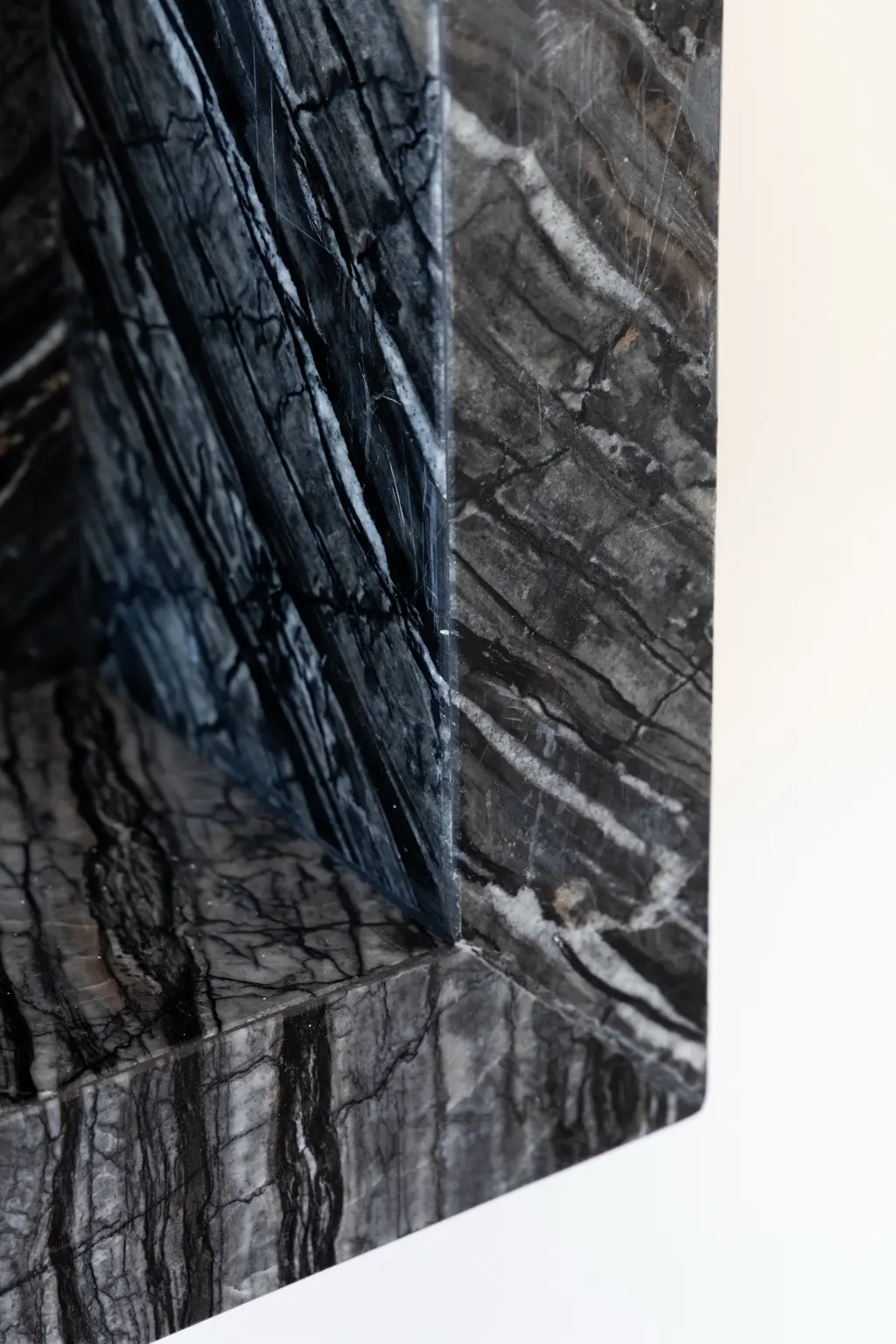
Stone layouts, wall preparation, tile installation, grout joints, and transitions between finishes determine how a space is experienced. An expensive surface can lose its impact through poor installation or a poorly resolved edge.
Execution belongs in the budget from the beginning. Qualified trades, clear details, and appropriate supervision need to be considered alongside the materials themselves.
The value lies in the precision of the installation and the quality of the finish.
Skilled workmanship is what turns a material specification into a result worth investing in.
High-end is executed, not simply purchased.
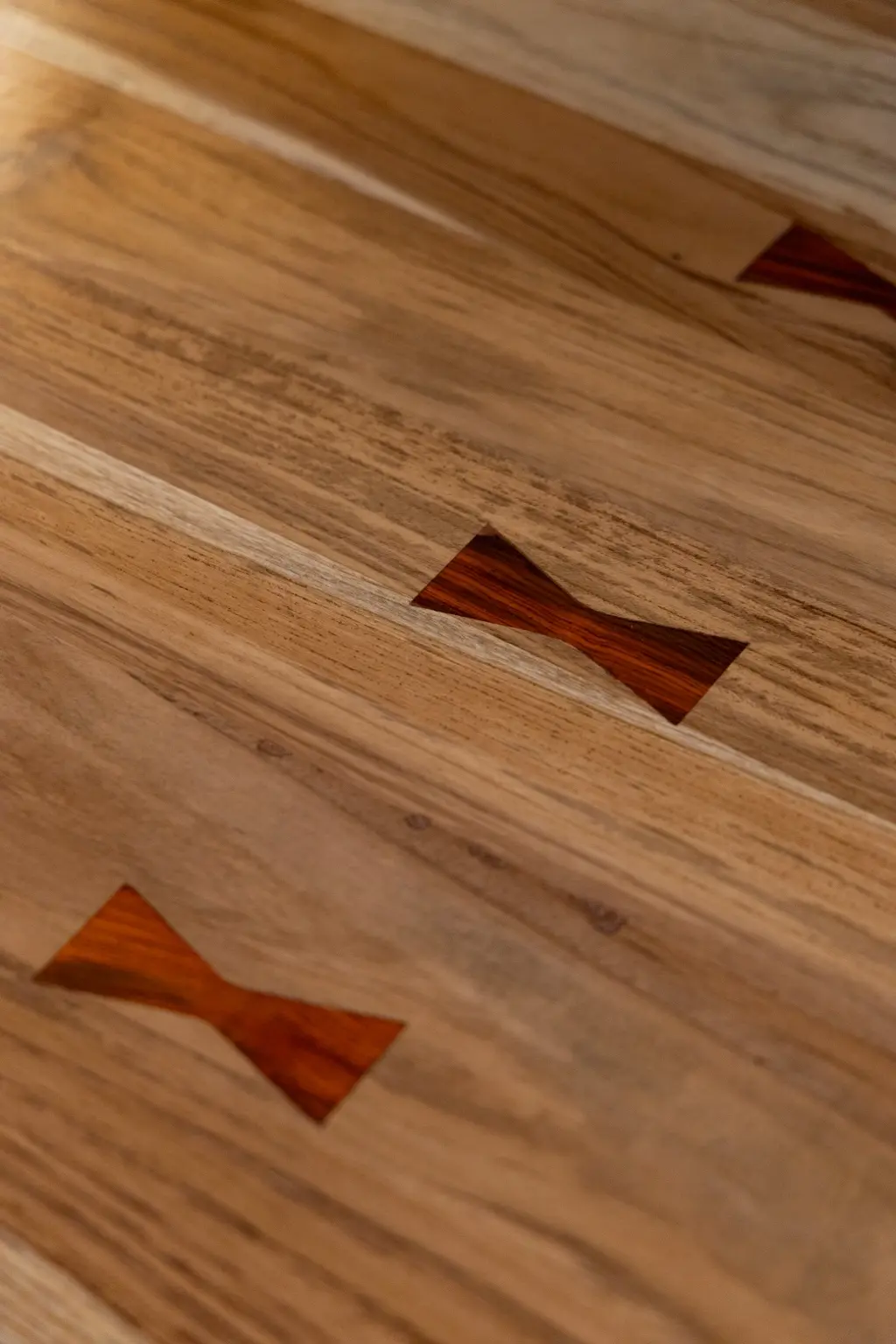
Interior design is insurance for your investment
Interior design can protect an investment most effectively while there is still room to question the plan.
Interior design does not belong at the end of the process, reduced to the decorative layer after critical decisions have already been made.
It shapes layouts, proportions, circulation, lighting, and materials—and coordinates how these elements come together.
Its value lies in a trained eye: recognizing what is not working while it can still be corrected and seeing possibilities that would otherwise go unnoticed.
That means identifying a door swing that conflicts with the furniture layout, insufficient storage, or an outlet that will become inaccessible once cabinetry is installed.
Interior design is not an extra. It is what protects your investment.
Plan the lighting during the drawing phase
Natural light, architectural lighting, and decorative fixtures must be planned as one integrated system from the beginning.
Planning for light during the drawing phase allows daylight, artificial lighting, and automation to work together in response to the layout and the way each space will be used.
Beyond function and atmosphere, the color temperature and intensity of light can influence well-being and circadian rhythms.
The wrong lighting fixture can cheapen even the most expensive room.
Protect your investment from the start
“Cost alone does not create value. The expertise behind each decision does.”
A flexible plan, appropriate materials, skilled execution, early design involvement, and thoughtfully planned lighting help preserve both the quality and long-term value of a home.
If you are preparing to build or renovate, bring interior design into the process early enough to shape the decisions that matter.