
What High-End Residential Projects Still Get Wrong
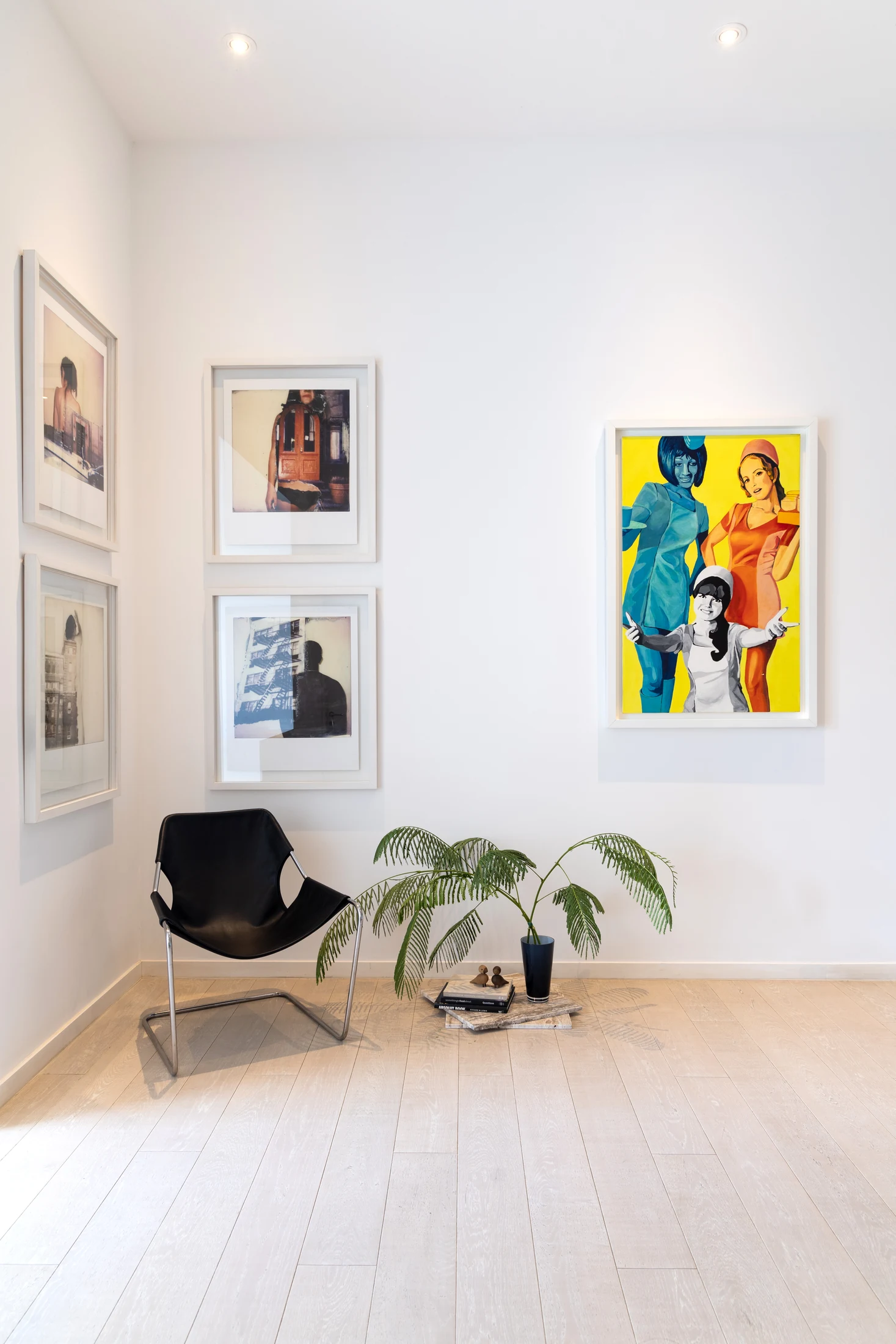
A high-end residence can be beautifully built and impeccably furnished—and still fall short of its potential.
It may look complete, but not fully resolved. Beautiful, yet difficult to remember.
Exceptional interiors emerge from a continuous process: understanding how the home will be inhabited, developing a distinct creative direction, and carrying that vision from the first drawing to the final installation.
These are five gaps that continue to limit high-end residential projects.
Interior design enters too late
Interior design does not begin with furniture.
It begins with the plans: defining how people will live in and move through the home and how architecture, light, materials, and furniture will work together.
When the interior design team joins after the architecture has been defined, it has already lost the opportunity to contribute where it creates the most value. Proportions, circulation, and the relationship between rooms have been established. Decisions that could have shaped the home now require revisions.
Early involvement allows the team to question a transition, adjust a sightline, or integrate millwork while the project is still taking shape. In Calma Atemporal, those early interventions recovered circulation, storage and usable space before the developer plan became permanent.
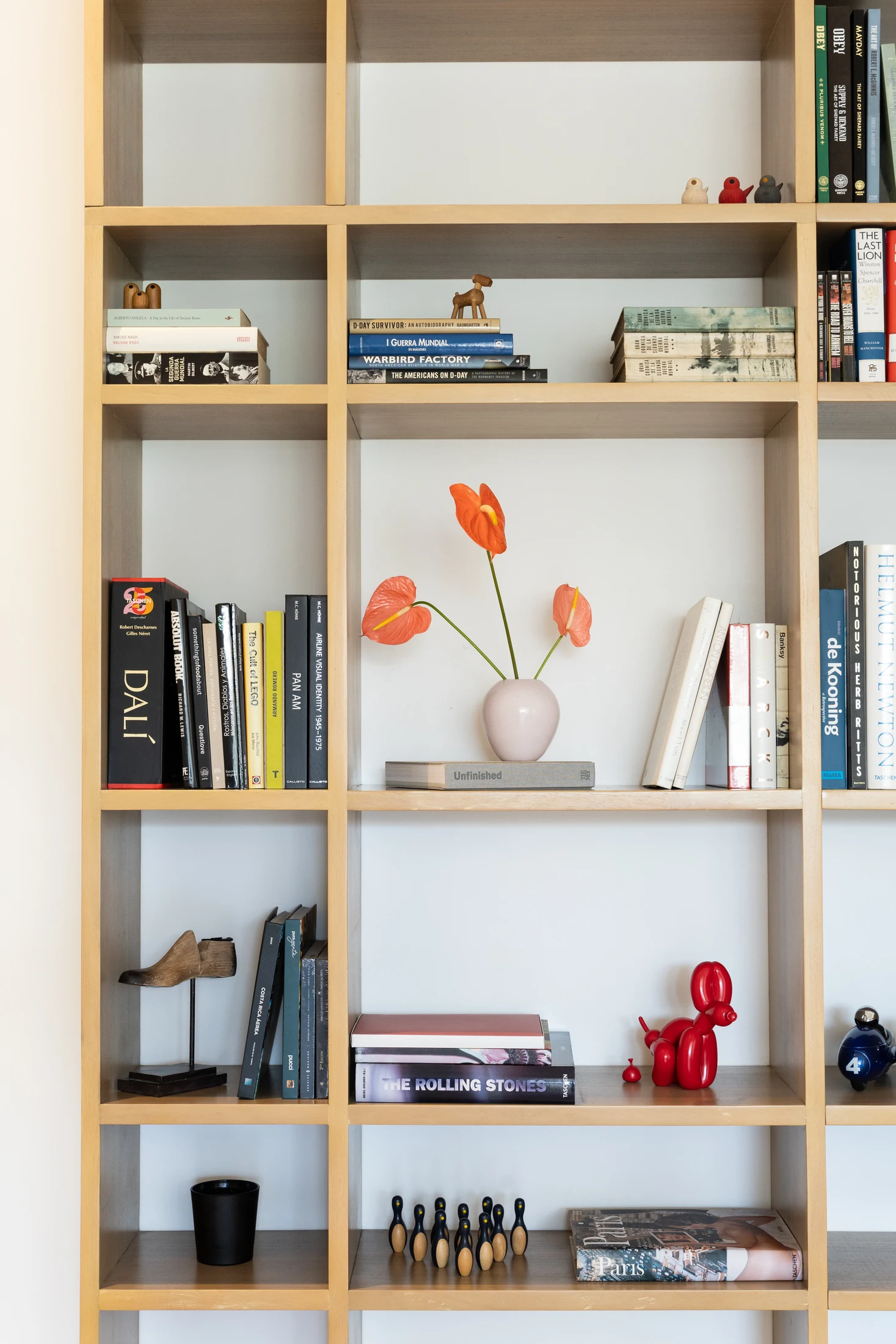
Nice interiors. Nothing memorable.
Many residential projects are visually polished, yet increasingly difficult to distinguish from one another. The same materials, silhouettes, and styling gestures repeat until one home begins to look like the next.
What is often missing is not a bigger budget. It is aesthetic sensitivity: a command of proportion, composition, depth, and materials that speak to one another.
A creative concept gives the project direction. But an idea alone cannot resolve a room. It takes visual judgment to translate that idea into scale, rhythm, contrast, and the relationships between objects and architecture.
Furniture should feel integrated into the architecture. When it simply occupies the space, even exceptional pieces can read as a collection of purchases. Materials may be expensive and still have little to say to one another.
A memorable interior has a point of view, expressed through decisions specific to the home and the people who inhabit it. Without that specificity, the result may be attractive, but its identity remains interchangeable.
Key specifications are resolved too late
A fully resolved interior requires timely construction specifications. Lighting, electrical and plumbing rough-ins, built-in furniture, and finish transitions all depend on decisions made before that work begins.
When those decisions arrive late, the consequences are tangible: relocated electrical and plumbing connections, damaged finishes, improvised details, and changes of direction late in construction. What could have been resolved on paper becomes rework on site.
The interior design team must participate in the decisions that affect the space and issue its specifications when architects, consultants, contractors, and fabricators need them.
Timely specification protects the work already done and the quality of what follows. A good decision delivered too late can still compromise the result.
Installation is underestimated.
The difference between a project that feels truly high-end and one that falls short often lies in the execution of the final inches.
On site, every dimension, junction, and alignment has consequences. A few inches can leave a composition unresolved. A custom piece may be technically correct and still fail to carry the intended visual weight.
Direction and supervision during installation are part of design. They allow the team to refine placement, respond to unforeseen conditions, and protect the relationships developed throughout the project. The positioning of furniture, lighting, art, and objects determines how the space finally comes together.
Casa 19 shows how selective intervention and careful execution can preserve what works while changing what matters. The final inches are still part of the design.
“A rendering can support almost anything. Reality cannot.”
The project’s full potential remains unexplored
The strongest solutions rarely emerge on the first attempt.
They emerge when a creative team actively solves problems, questions decisions, and identifies opportunities others have not seen. That may mean rethinking circulation or turning a constraint into the defining gesture of the project.
Moving beyond the first acceptable answer is essential. A room can meet its requirements and still leave its most compelling possibilities unexplored.
When the team’s role is limited to selecting finishes and furnishings, there is little room for that discovery. A project reaches its potential when there is space to challenge what has been proposed and the judgment to recognize a stronger solution.

Turning gaps into real value
Exceptional residences do not happen by chance. They emerge when these gaps are recognized and transformed into opportunities for value.
Interior architecture and design can shape how a residence functions, how it feels, and how coherently it comes together.
That is when interior design stops being a stage in the process—and becomes an investment.
Planning a residence in Costa Rica? Explore our full-scope approach